The Gavel Is a Stopwatch: How Session Chairs Shape a Talk's Afterlife
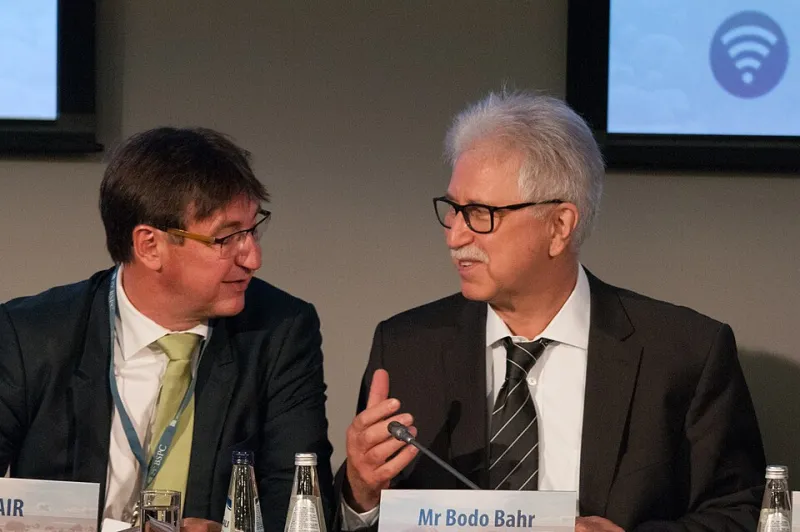
Photo: Olaf Kosinsky, CC BY-SA 3.0 at, via Wikimedia Commons
More Than Timekeeping
A conference session chair is usually visible for only a few minutes at a time: a greeting, an introduction, a reminder about time, a question, a thank-you. The role looks administrative. In practice, it is one of the most consequential forms of moderation in a scientific meeting. The chair decides how a speaker is introduced, which raised hand is recognized first, how long a promising exchange is allowed to run, and when the room must move on.
For a graduate student or postdoc, those small decisions can shape the afterlife of a talk. A generous introduction can establish credibility before the first slide. A first question from the chair can steer the discussion toward the speaker's strengths or toward a weakness. A premature cutoff can leave an audience with the impression that the speaker was evasive, even when the clock, not the content, was the problem.
The Hidden Powers of the Chair
The most obvious power is time. Chairs protect the schedule, which means they sometimes interrupt. Less obvious is the power of framing. An introduction that mentions the speaker's department, adviser, or prior work gives the audience a frame. An introduction that is thin or inaccurate can leave the speaker correcting the record before the talk begins.
The chair also controls the question economy. In a packed room, there may be ten hands and time for three. The chair's selection determines which critiques enter the public record and which are deferred to the hallway. That is not a neutral act, even when it is done fairly. It shapes which parts of the work receive visible scrutiny.
Finally, the chair sets the emotional temperature. A chair who invites concise questions and model civil disagreement can make a nervous speaker look composed. A chair who lets one audience member monopolize the microphone can make the same speaker look defensive.
Why Early-Career Researchers Feel It
Established researchers have the standing to deflect a bad question or reclaim a thread. Early-career researchers often do not. They are still building a reputation, and they may be presenting in front of potential collaborators, hiring committee members, or journal editors. A chair's introduction is sometimes the first description of their work that the room hears. A chair's cutoff is sometimes the last thing the room sees.
This is why preparation for a talk should include preparation for the moderation around it. The session chair is not an adversary, but the chair is an authority with a schedule and a room to manage. Treating that authority as part of the presentation is more useful than pretending it is invisible.
Working With the Chair Before the Room
A short email a week or two before the meeting can accomplish a great deal. Confirm the session, the title as it should appear in the program, the pronunciation of your name, and any audiovisual needs. If your talk includes a live demo or a video, say so early. If you have a co-author who should be acknowledged, send the exact wording.
Arrive early enough to meet the chair in person. Introduce yourself, confirm how much time you have, and ask how questions will be handled. If there is a sensitive point in your work, such as a limitation you plan to address, you can mention that you welcome questions on it. That does not script the session, but it helps the chair recognize a productive line of inquiry.
A concise biographical note is also useful. Chairs are often juggling several speakers and may not know your work. One or two sentences about your current position and the question your talk addresses can make the introduction accurate without turning it into a speech.
In the Room
When the chair gives you a signal, respect it. Speakers who run long force the chair into an uncomfortable role and deprive the next speaker of attention. If you are cut off mid-answer, respond gracefully: acknowledge the point, offer to continue after the session, and stop. The audience remembers composure more than completeness.
If a question is hostile, the chair may intervene; if the chair does not, answer the scientific substance briefly and redirect. Do not use the question period to relitigate the chair's timekeeping. And if the chair mispronounces your name or misstates your affiliation, correct it lightly and move on. The goal is not to win the exchange but to leave the room with a clear sense of the work.
When Moderation Goes Wrong
Some sessions are poorly moderated. A chair may favor a senior audience member, cut off a junior speaker, or let a question become a lecture. In those moments, the speaker's best option is usually brevity and dignity. Answer what was asked, decline what was not, and follow up afterward with anyone whose question went unanswered.
It is also worth documenting serious problems. If a chair repeatedly misrepresents your work or allows abusive questioning, a brief note to the program committee after the meeting is appropriate. The aim is not punishment but a record that may improve future sessions.
After the Gavel
Thank the chair. It is a small gesture, but moderation is unpaid labor, and chairs remember speakers who make the session easier. If a useful exchange was cut short, follow up with the questioner directly. If the chair helped steer a good discussion, say so.
The gavel is a stopwatch, but it is also a frame. Early-career researchers who understand that can prepare for the person holding it, not just the slides behind them.