Follow the Money to the Podium: How Sponsorship Dollars Steer American Science Meetings
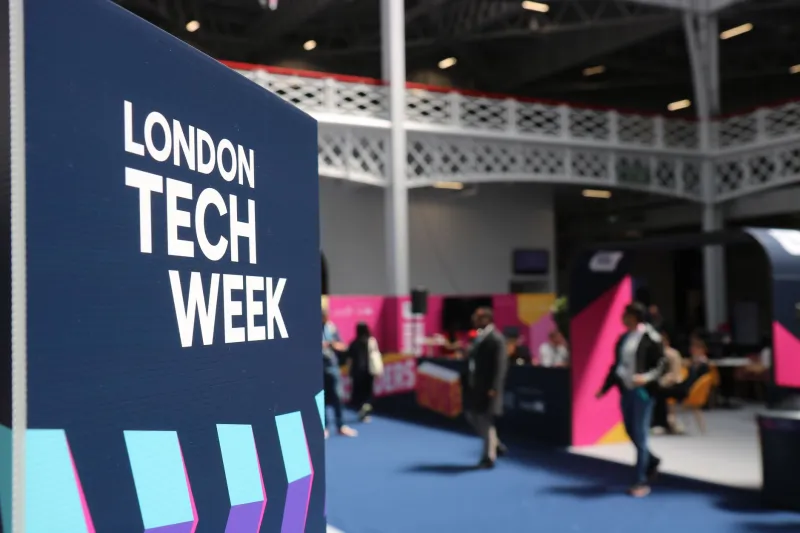
Ask a program chair who decides which abstracts earn podium slots and you will hear a familiar answer: peer review, blind scoring, scientific merit. Ask a meeting planner the same question and the answer gets more complicated. Between the two sits a financial architecture that most attendees never see — and it influences more of the program than anyone involved likes to admit.
The Ledger Behind the Lanyard
A mid-sized American scientific society meeting can easily carry a budget north of $1 million. Registration fees rarely cover it. The gap is filled by exhibitor booths, satellite symposia, branded lanyards, coffee-break underwriting, and multi-tier sponsorship packages that can run from a few thousand dollars to six figures for "platinum" partners.
None of that money is supposed to touch the science. Most professional societies maintain firewalls between development staff and program committees, and the overwhelming majority of reviewers never know who funded the coffee. But the firewall has doors, and the traffic through them follows predictable patterns.
Where the Influence Actually Shows Up
Interviews with meeting planners and former program chairs across several US disciplines — from neuroscience to environmental engineering — reveal three places where sponsorship pressure tends to surface.
Thematic tracks. Sessions on translational applications, commercial instrumentation, or "industry perspectives" are frequently seeded or sustained by sponsors. A track on next-generation sequencing may exist, in part, because two sequencing companies committed to the exhibition hall. The science in those sessions is often legitimate; the track itself, however, was not born purely from the community's request.
Keynote arithmetic. Program committees typically nominate keynote candidates on merit. But final invitations pass through an organizing office aware that a speaker with industry ties can unlock a sponsor's continued support — or that a vocal critic of a sponsor's product line creates friction nobody wants. The effect is subtle: not censorship, but a gentle gradient in who gets asked.
Scheduling geography. Exhibitor-adjacent poster sessions, lunch symposia held in sponsor-branded rooms, and "networking receptions" hosted by corporate partners all receive prime real estate on the program grid. Attendance data from several US meetings shows these slots draw measurably larger crowds than equivalent sessions buried in the 4 p.m. graveyard.
What It Means for Submitters
For researchers deciding where to submit an abstract, this is not an argument for cynicism — it is a argument for pattern recognition. A few practical readings of the landscape:
- Read the sponsor list against the session list. If a thematic track maps neatly onto a major exhibitor's product category, expect heavier competition there and a reviewer pool primed for applied work.
- Watch for themed years. Societies under financial pressure sometimes tilt an entire annual meeting toward a fundable, sponsor-friendly theme. A sudden pivot in a call for papers is a signal worth noticing.
- Distinguish societies from vendor-owned events. Meetings run by commercial conference companies operate with far fewer governance guardrails than member societies. That does not make them bad, but the selection incentives differ.
The Reform Conversation
Some organizations are pushing back. A handful of US societies now publish sponsorship revenue disclosures alongside meeting budgets, and a few have adopted rules barring development staff from any contact with abstract reviewers. The Coalition for Integrity in Scientific Meetings — an informal group of program chairs — has circulated model firewall policies since 2023.
The honest assessment is that sponsorship is neither poison nor panacea. Exhibitor revenue keeps registration affordable for the graduate students who need these meetings most, and industry sessions often showcase genuinely useful methods. The risk is not that money exists; it is that its influence goes unexamined. Attendees who understand the ledger behind the lanyard read the program differently — and submit more strategically because of it.