After the Zoom Era: How American Science Meetings Are Redrawing the Map of Attendance in 2025
When laboratories shut down in March 2020, the American scientific conference calendar collapsed almost overnight. What followed was an unplanned, society-wide experiment in virtual meetings — and, eventually, a reckoning over which parts of that experiment were worth keeping. In 2025, the results are in, and they are more complicated than either the 'nothing beats in-person' or 'Zoom changed everything' camps predicted.
The Landscape Has Split Into Three Tiers
Survey data from US professional societies point to a rough three-way settlement. A small number of major meetings have returned to fully in-person formats, betting that density of interaction is their core product. A larger middle group has adopted hybrid models, streaming keynotes and select sessions while reserving posters, workshops, and networking for the room. And a resilient minority — particularly meetings with large international or accessibility-focused constituencies — remain virtual-first or fully virtual.
The American Astronomical Society, for example, has maintained substantial virtual programming and recorded sessions alongside its in-person meetings, a decision organizers attribute to sustained demand from members who cannot travel. Meanwhile, several biomedical societies have quietly dropped hybrid options, citing production costs that can exceed $100,000 per meeting for streaming infrastructure and dual-session staffing.
What Organizers Say About the Hybrid Gamble
Hybrid was supposed to be the best of both worlds. In practice, many organizers describe it as the most expensive of all worlds.
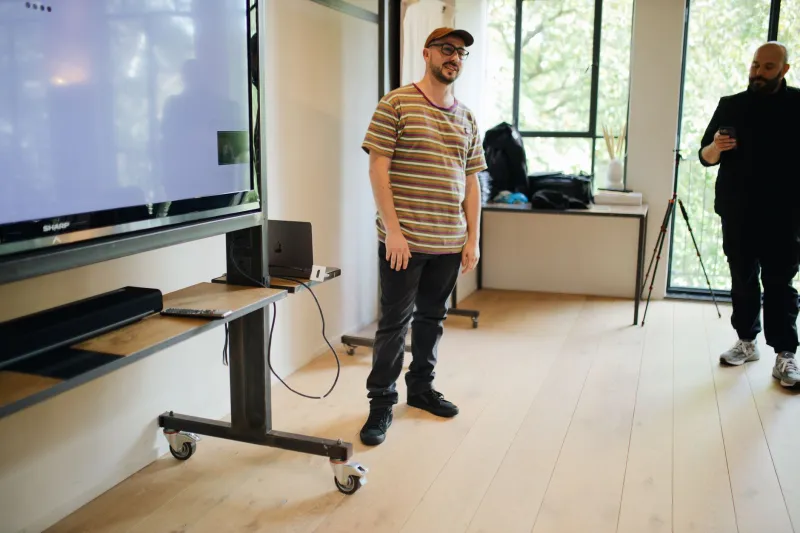
'The failure mode is a ghost meeting,' one program chair at a mid-sized US society told us, describing hybrid events where virtual attendees log in, watch a keynote, and never interact. 'You end up serving two audiences and fully engaging neither.' The societies that report hybrid success tend to share specific design choices: dedicated online moderators, virtual-only Q&A channels with named hosts, and session times chosen for cross-time-zone feasibility rather than convenience for the room.
Cost is the other recurring theme. Streaming a meeting well requires camera operators, a virtual platform, and staff to manage remote sessions — expenses that registration fees must cover. Some societies have added explicit virtual attendance tiers at 30 to 50 percent of the in-person rate, while others bundle on-demand recordings into all registrations.
What Attendees Are Actually Choosing
Attendance figures tell a story of partial recovery with permanent scars. Most major US meetings have regained 70 to 90 percent of their pre-2020 in-person numbers, but a meaningful share of the community has not returned — and surveys suggest they may not.
The strongest predictors of format preference are career stage and caregiving obligations. Graduate students and postdocs, facing tight budgets, gravitate toward virtual options or regional meetings. Mid-career researchers with young children report that hybrid access has made attendance possible for the first time in years. Senior faculty, whose networks predate the pandemic, are the most likely to insist on in-person presence.
Accessibility advocates note that virtual and hybrid formats have delivered genuine gains for researchers with disabilities, chronic illness, and visa constraints — communities that were effectively excluded from the old model. Any rollback of virtual options, they argue, should be weighed against that.
Choosing Where to Present: A Practical Framework
For researchers weighing their 2025 options, the format question is really three questions.
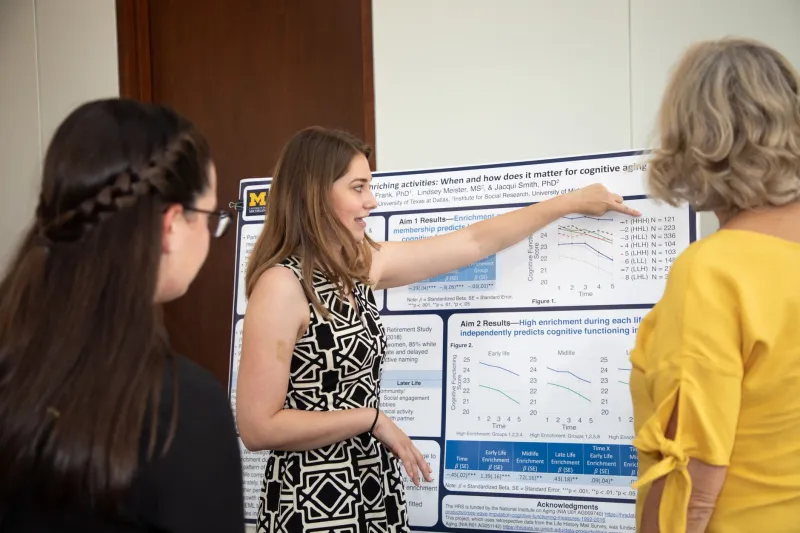
What is the networking value? If your goal is meeting collaborators or interviewing for positions, in-person remains demonstrably more effective. Hallway conversations and shared meals still convert into opportunities at rates virtual platforms have not matched.
What is the total cost? Run the full calculation — registration, travel, lodging, meals — against a virtual registration. For early-career researchers, a virtual presentation at a top society meeting often delivers more visibility per dollar than an in-person trip to a regional event.
What does the format signal? Some hiring and search committees still read in-person presence as seriousness; others have updated their expectations. Know the norms in your subfield before allocating a scarce travel budget.
The Likely End State
The most plausible future is not one format winning but a durable segmentation: flagship meetings anchoring the in-person calendar, hybrid options expanding for large societies that can absorb the production costs, and virtual-only meetings thriving in niches where global participation or accessibility is the point. For US researchers, the practical implication is that format is now a strategic choice — one that should be made deliberately, budgeted honestly, and matched to what you actually need from the meeting.